Ideal weight
1.8–2.5kg, KUSA standard
1.8 to 2 kg for males and 2 to 2.5 kg for females. There is no smaller 'teacup' size.[1]
The breed standard
A two-kilogram spitz with a big coat, a bigger voice and a breed standard that has no 'teacup' size. Here is what life with a Pom looks like in a South African home.
Is a Pom right for you?
Lively, alert and clever, with short walks and indoor games enough for most days. Teach 'quiet' early.
Living with a Pom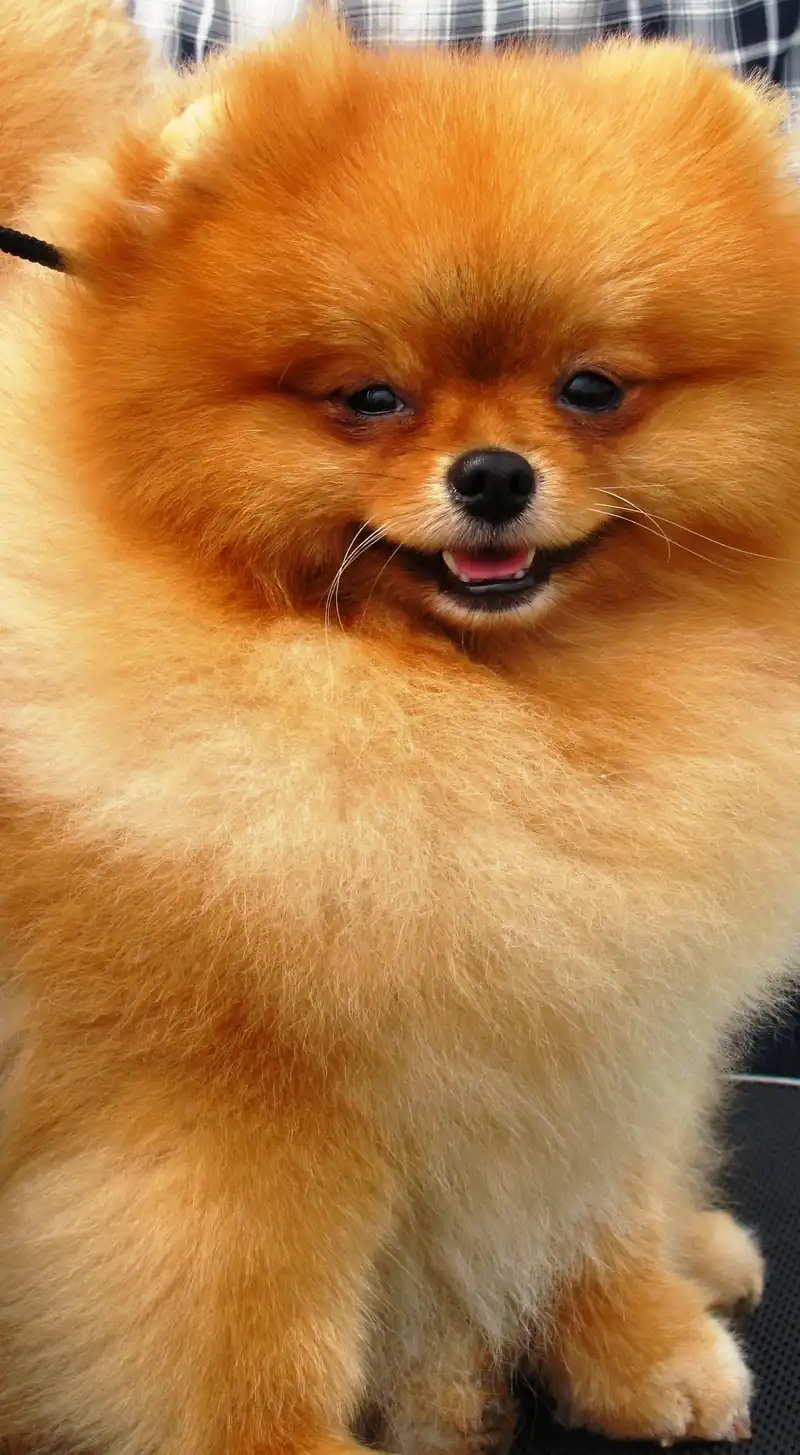
The standard describes one size. Puppies sold as 'teacup' or 'micro' are bred to be undersized, with real health risks.
The teacup myth
A double coat insulates against heat as well as cold. Vets advise brushing out the undercoat instead of reaching for clippers.
Coat care in summer
What the parents should weigh, the knee and eye checks to ask about, and the sales words that should make you walk away.
Finding a puppyThe key facts. Figures come from KUSA's and the FCI's standards, the Royal Kennel Club and VCA, all listed at the foot of the page. Individual dogs differ.
A Pom fits easily into a small home. Whether it fits your household is a different question, so read both lists together before you go looking.
Six checks protect any South African buying any puppy: the puppy with its mother, the records, the agreement in writing, and payment to a business account only.
See the six checks
KUSA's standard describes an extrovert, lively and intelligent dog. In a house that shows as an alert watcher that reports every visitor, plays hard indoors and likes to stay close to its people. VCA notes that Poms tend to be aloof with strangers and can be cocky with other dogs, including much bigger ones.
They learn quickly but can be stubborn, and reward-based training with food or games works best. Breed is only part of the picture: parents, early socialising, training and health all count, and a dog this small needs supervising around children.[1][3]

The standard describes one size, with an ideal weight of 1.8 to 2.5 kg. A vet writing about 'teacup' dogs says the label has no fixed definition, that such puppies are often bred from the smallest or runt dogs, sometimes with food restricted to stunt growth.
The same vet lists the risks: low blood sugar, liver shunts, heart disease, hydrocephalus and fractures. A premium for smallness pays for that risk, and a parent far under the standard's weight is a warning, not a selling point.[1][7]
Red flags when buying
The double coat needs brushing at least twice a week and sheds heavily in a moult. Alopecia X, sometimes called black skin disease, causes gradual, painless coat loss with darkening skin, usually starting near the tail and back legs; its cause is unknown.
A 2025 survey of 211 Pomeranians in the Netherlands and Belgium found higher risk in dogs with a woolly coat than a shiny one, and in males. Ask about the parents' coats, and see a vet about any hair loss, because thyroid and other problems can look similar.[3][8][9][10]
Pom healthSix pages for South African families thinking of a Pomeranian, with the sources listed below each page.

Slipping kneecaps, dental disease, tracheal collapse, alopecia X and low blood sugar, and what to ask about the parents.
Pomeranian health checks
Short walks on a harness, a 'quiet' cue, brushing not shaving, and small-home life in South African weather.
Living with a Pom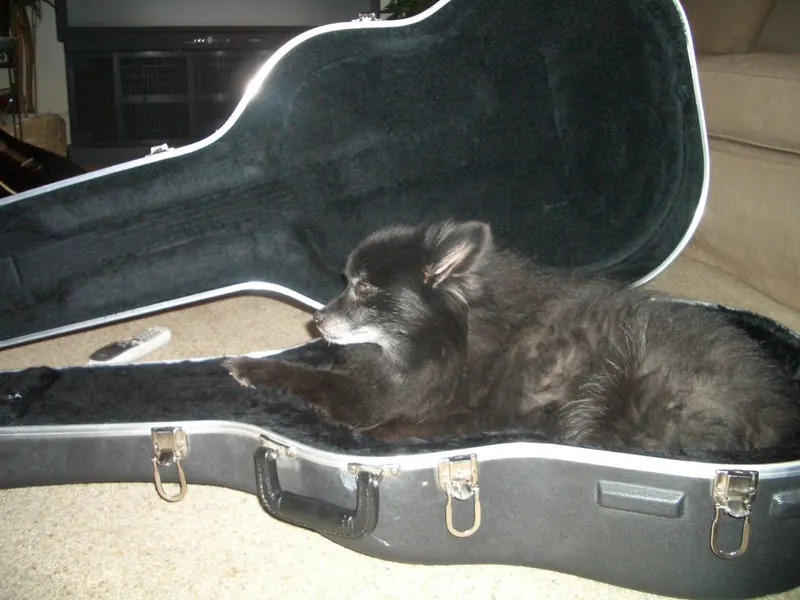
Little food, but a lifetime of grooming and dental care. What to budget for, honestly.
The cost to keep oneWhat the parents should weigh, the knee and eye checks to ask about, the teacup and merle claims to refuse, and how we work.
Buy a puppy safelyFrom 14 kg working spitz to Queen Victoria's Marco, the standard and its colours, and a club for Poms in South Africa.
Clubs and registriesPremier Pets is a placement business, not a breeder. Read how placement works, then ask about a Pomeranian.
How we place puppies1.8 to 2 kg for males and 2 to 2.5 kg for females. There is no smaller 'teacup' size.[1]
The breed standardA long-lived breed; teeth, weight and airway care make the biggest difference.[3]
Pom healthRegistrations have fallen by more than half in ten years.[6]
History and clubsFrom KUSA's standard, VCA and KUSA's 2025 registry statistics. Individual dogs vary; the sources are at the foot of the page.
Breeders, vets, groomers, trainers and boarding across South Africa appear in the Premier Pets Directory. A listing shows a business exists; it is not our recommendation, so ask each one the questions in this guide.
Five good places to start reading.
Why the standard has one size, and what a vet says breeding for smallness costs the dog.
What tracheal collapse is, and why a Pom walks on a harness, not a collar.
Why vets advise brushing a double coat rather than shaving it.
What the standard accepts, and why merle is unacceptable.
About 21 cm tall, and the standard's ideal weight is 1.8 to 2.5 kg.[4][1]
No separate size exists. 'Teacup' means a dog bred to be undersized, with real health risks.[1][7]
Yes, more than average, with heavy seasonal moults. Brush at least twice a week.[3]
Alopecia X is one cause, but thyroid and other problems look similar, so see a vet.[8][10]
A honking cough can mean tracheal collapse. Get a vet check, and switch to a harness.[8]
Vets advise brushing out the undercoat instead; shaving a double coat can change how it grows back.[11]
With calm, older children and an adult watching. A 2 kg dog is easily hurt, and no dog comes with a promise.[3]
Some do. Teach a 'quiet' cue early, and reward calm greetings.[3]
Yes, size-wise; the Royal Kennel Club rates it for a flat. Check your complex's noise and pet rules.[5]
Often 12 to 16 years.[3]
Dental disease is common in the breed. Brushing at home and cleanings by the vet protect its health.[3]
Both suit small homes. The Pom is a spitz with a thick double coat that sheds; compare grooming, barking and health in each guide before you choose.[3]
We found no breed-specific one in South Africa. Local SPCAs and general rescues take small breeds, so ask them.
Begin with the breeders in the Premier Pets Directory, or search it for Pomeranians, and ask each breeder what the parents weigh and what their knees and eyes showed.
Listings come from public sources, and businesses can claim, correct or remove theirs. A listing is not a recommendation, and Premier Pets has not checked any breeder unless the listing says so.
Written from the sources above for Premier Pets. Last reviewed 27 November 2026. Spot something out of date? Email sales@premierpets.co.za.